


Living in Santa Fe, New Mexico, means enjoying breathtaking desert views, beautiful architecture, and crisp mountain air. But it also means dealing with something less scenic—hard water.
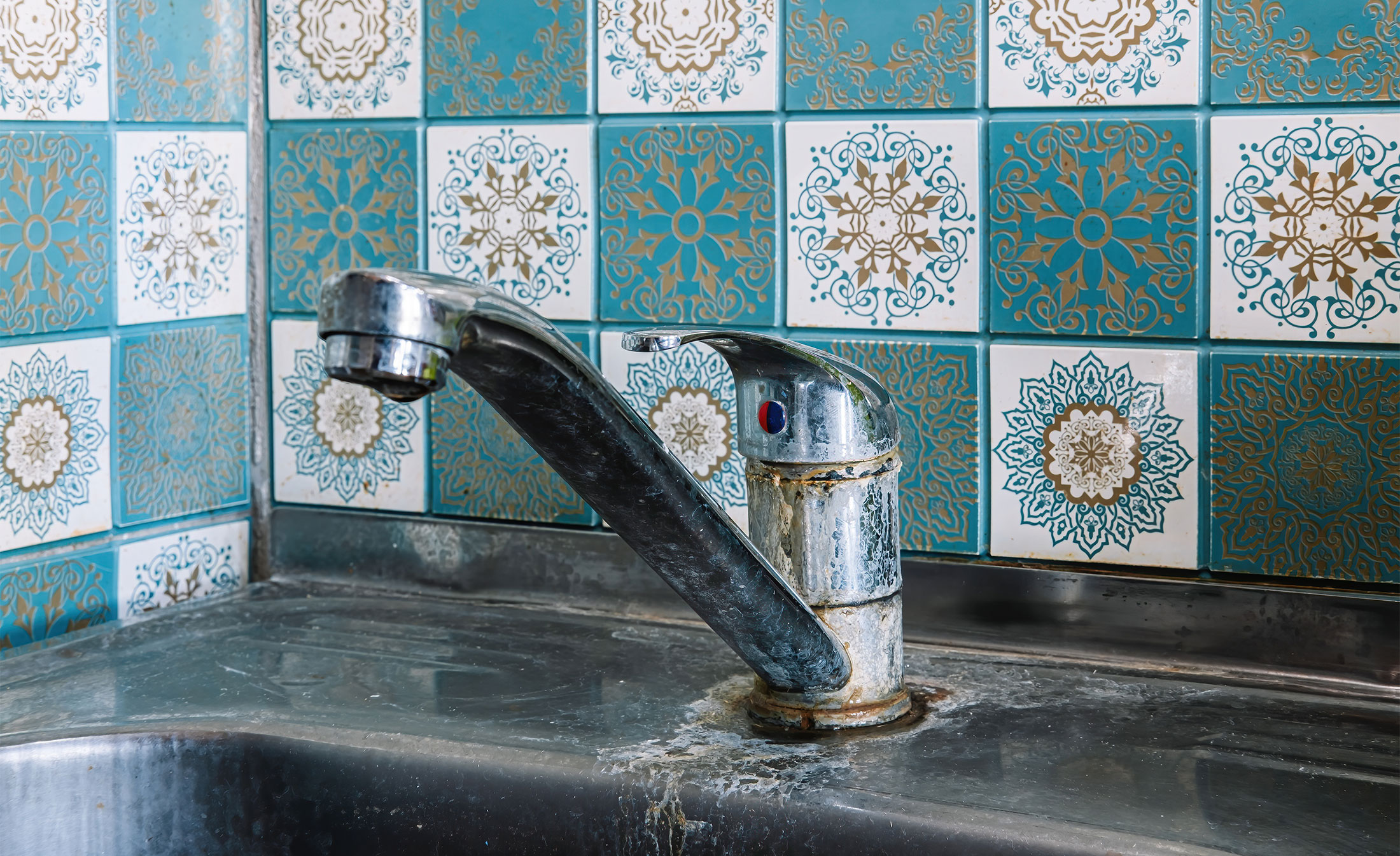
If you’ve ever noticed white chalky buildup on your faucets, soap that won’t lather, or low water pressure for no clear reason, you’re likely experiencing the effects of hard water on your plumbing system.
This blog will help you understand:
-
What hard water is
-
How it damages plumbing over time
-
Signs your home has hard water problems
-
What you can do about it (including when to install a water softener)
Whether you’re a homeowner or renter in Santa Fe, staying informed could save you thousands in long-term plumbing repairs.
What Is Hard Water?
Hard water simply means that the water coming into your home has a high concentration of dissolved minerals, mostly calcium and magnesium.
In Santa Fe and many parts of northern New Mexico, hard water is common due to the natural composition of the ground and rock layers. Water traveling underground picks up minerals from limestone and gypsum, which make it into your plumbing system.
Hardness is usually measured in grains per gallon (GPG) or milligrams per liter (mg/L):
-
0–3 GPG = Soft water
-
4–7 GPG = Moderately hard
-
7–10 GPG = Hard
-
10+ GPG = Very hard
Santa Fe water often measures between 7 and 10 GPG, making it hard enough to cause noticeable effects on plumbing and appliances.
How Hard Water Affects Your Plumbing System
Let’s break down the real impact hard water has on your pipes, fixtures, and plumbing performance.
1. Scale Buildup Inside Pipes
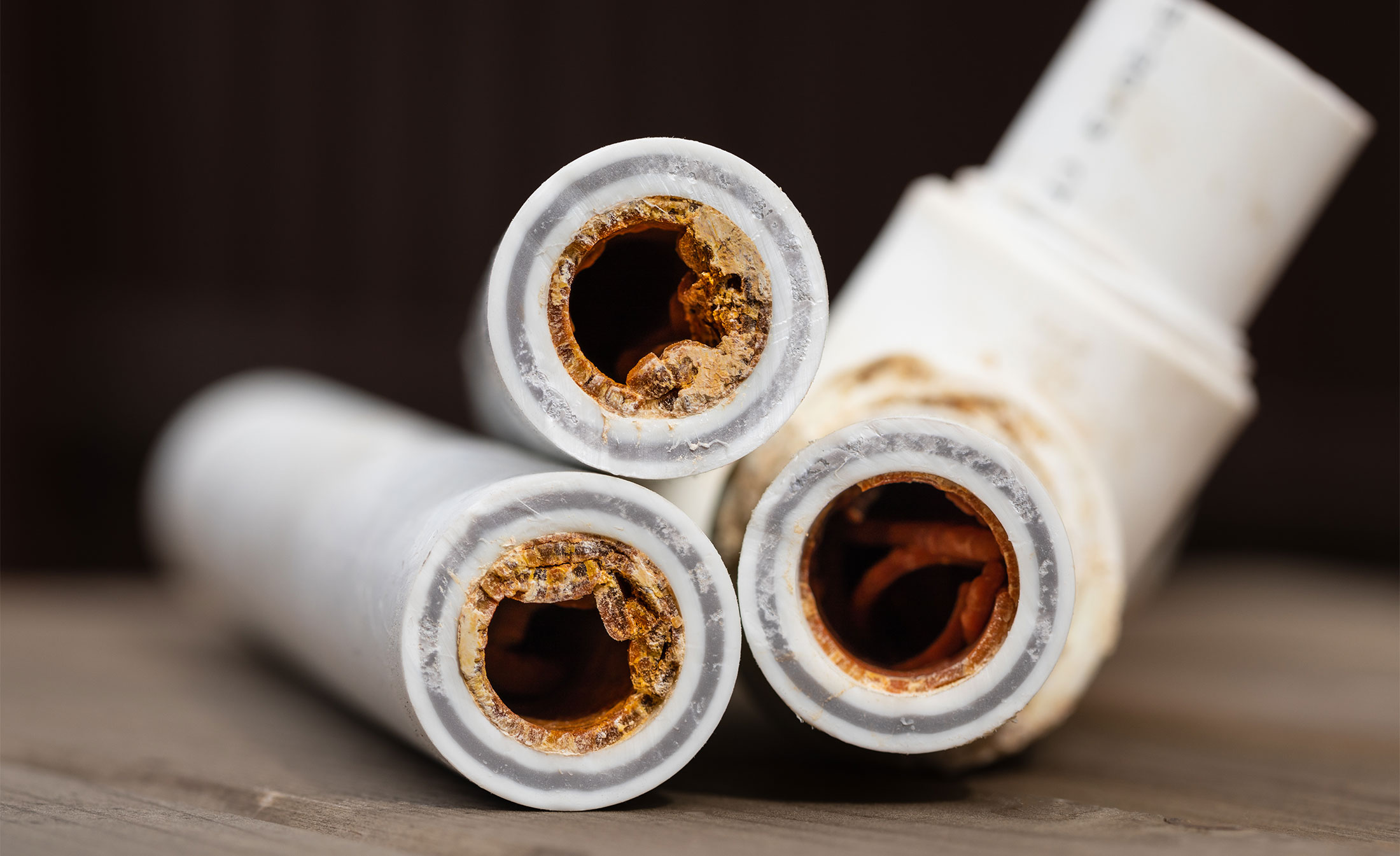
Over time, minerals in hard water start to settle and crystallize inside your pipes. This buildup is known as scale, and it acts like cholesterol in your plumbing system—narrowing the flow and putting pressure on everything downstream.
Problems caused by pipe scale:
-
Decreased water pressure
-
Slower drain flow
-
Higher risk of pipe blockages
-
Hot water pipes scale up even faster
-
Increased chance of pipe corrosion
Santa Fe’s older homes with galvanized steel or copper pipes are especially vulnerable.
2. Appliance Damage and Shorter Lifespan
Water heaters, dishwashers, washing machines, and ice makers suffer the most from hard water.
Why? Because heating hard water causes minerals to harden faster, forming rock-like scale inside the appliance.
This leads to:
-
Reduced energy efficiency
-
Higher energy bills
-
Noisy operation
-
Frequent repairs
-
Shorter lifespan (sometimes cut in half)
A tank water heater, for example, may only last 6–8 years in hard water conditions compared to 10–12 years with treated water.
3. Clogged or Worn-Out Fixtures
You’ve probably seen that white crusty ring around your showerhead or faucet. That’s hard water at work.
Mineral deposits can:
-
Block faucet aerators
-
Cause valves to stick or fail
-
Reduce fixture flow
-
Wear down rubber washers
-
Cause constant dripping or leaks
Even toilets can suffer. Deposits in the refill valve or flapper can lead to running toilets or weak flushes.
4. Damage to Water Heaters (Especially in Santa Fe Homes)
In a hard water zone like Santa Fe, sediment builds up rapidly at the bottom of a water heater tank. This causes the unit to:
-
Heat unevenly
-
Work harder to heat water
-
Make popping or rumbling noises
-
Corrode from the inside out
Eventually, you’re left with lukewarm water, leaks, or a dead unit.
5. Leaks, Cracks, and Corrosion
Scale isn’t just a flow issue—it’s also a corrosive threat. Over time, scale can:
-
Eat away at pipe linings
-
Trap moisture and promote rust
-
Crack joints and fittings
-
Lead to costly leaks or flooding
Even small pinhole leaks from corrosion can cause mold, drywall damage, or even structural rot in walls and floors.
Signs You Have a Hard Water Problem in Santa Fe
How can you tell if hard water is harming your plumbing? Look out for these common signs:
🚿 Soap Doesn’t Lather Well
You use more shampoo or soap than usual. Soap reacts poorly with hard water minerals.
🚰 White Buildup on Faucets and Showerheads
Also known as “limescale,” this residue is a major red flag.
🧼 Spots on Dishes and Glasses
Mineral-rich water leaves chalky or cloudy spots, even after rinsing.
🔧 Frequent Appliance Repairs
Especially water heaters or dishwashers that seem to fail early.
🔄 Shortened Lifespan of Fixtures
Toilet parts, faucet seals, and valves wearing out sooner than expected.
💧 Lower Water Pressure
Caused by narrowing of pipes due to internal mineral deposits.

How to Fix or Prevent Hard Water Plumbing Problems
The good news? You can protect your plumbing system and reverse some of the damage caused by hard water. Here’s how:
🛠️ 1. Water Softener Installation
The best long-term solution is installing a whole-home water softener system. This device removes calcium and magnesium ions from the water using a process called ion exchange.
Benefits of water softeners:
-
Prevent new scale from forming
-
Help extend the life of your plumbing and appliances
-
Improve water pressure
-
Make soap and detergent more effective
-
Reduce hard water spots and buildup
💡 At Salazar Heating, Cooling & Plumbing, we offer professional water softener installation in Santa Fe customized to your home’s size, plumbing system, and water hardness levels.
🧼 2. Descaling and Cleaning Fixtures
Regularly cleaning faucets, showerheads, and valves with vinegar or a descaling solution can help maintain flow.
But if buildup is severe, you may need professional fixture cleaning or replacement.
🔥 3. Water Heater Flushing
If your tank-style water heater is more than 2 years old and hasn’t been flushed, you likely have a layer of sediment at the bottom.
We recommend annual flushing to remove scale and extend lifespan—especially in Santa Fe’s mineral-heavy water.
🚿 4. Install Point-of-Use Filters
While not a replacement for a full softener, filters on faucets or showers can improve performance and reduce residue for specific uses like drinking or bathing.
Water Softener FAQs for Santa Fe Homeowners
Q: Do water softeners waste water?
A: Some older systems use more water during the regeneration process, but newer high-efficiency models minimize waste and are much more sustainable.
Q: Will soft water taste different?
A: Some people notice a slight difference, but it’s usually mild. You can install a reverse osmosis filter at the kitchen tap for drinking water if needed.
Q: How much does it cost to install a water softener in Santa Fe?
A: It depends on the system size and complexity of your plumbing. Most systems range from $1,200 to $3,000 installed.
Why Santa Fe Homes Are Especially Vulnerable
Many homes in the Santa Fe area have:
-
Older copper or galvanized plumbing
-
Traditional water heaters
-
No pre-installed filtration systems
Combined with hard water, these factors create the perfect storm for scale-related plumbing issues. If you’ve just moved into a Santa Fe home or are noticing signs of damage, early action saves money.
Why Choose Salazar Heating, Cooling & Plumbing?
At Salazar Heating, Cooling & Plumbing, we’re more than plumbers—we’re Santa Fe locals who understand the specific challenges our water causes.
We offer:
-
Professional water softener installation
-
Annual plumbing system checkups
-
Water heater flushing and repair
-
Hard water troubleshooting
-
Honest advice with no upsell pressure
With over 15 of experience and a 5-star local reputation, we’re proud to be the team you trust when water starts fighting back.
Call Now to Protect Your Plumbing from Hard Water
Don’t wait for hard water to wreck your plumbing. Whether you need water softener installation, help with scale removal, or a full plumbing inspection—we’re here to help.
📞 Call Salazar Heating, Cooling & Plumbing today at (505) 820-2007
Serving Santa Fe, Albuquerque, and surrounding communities with expert plumbing and water treatment solutions.