


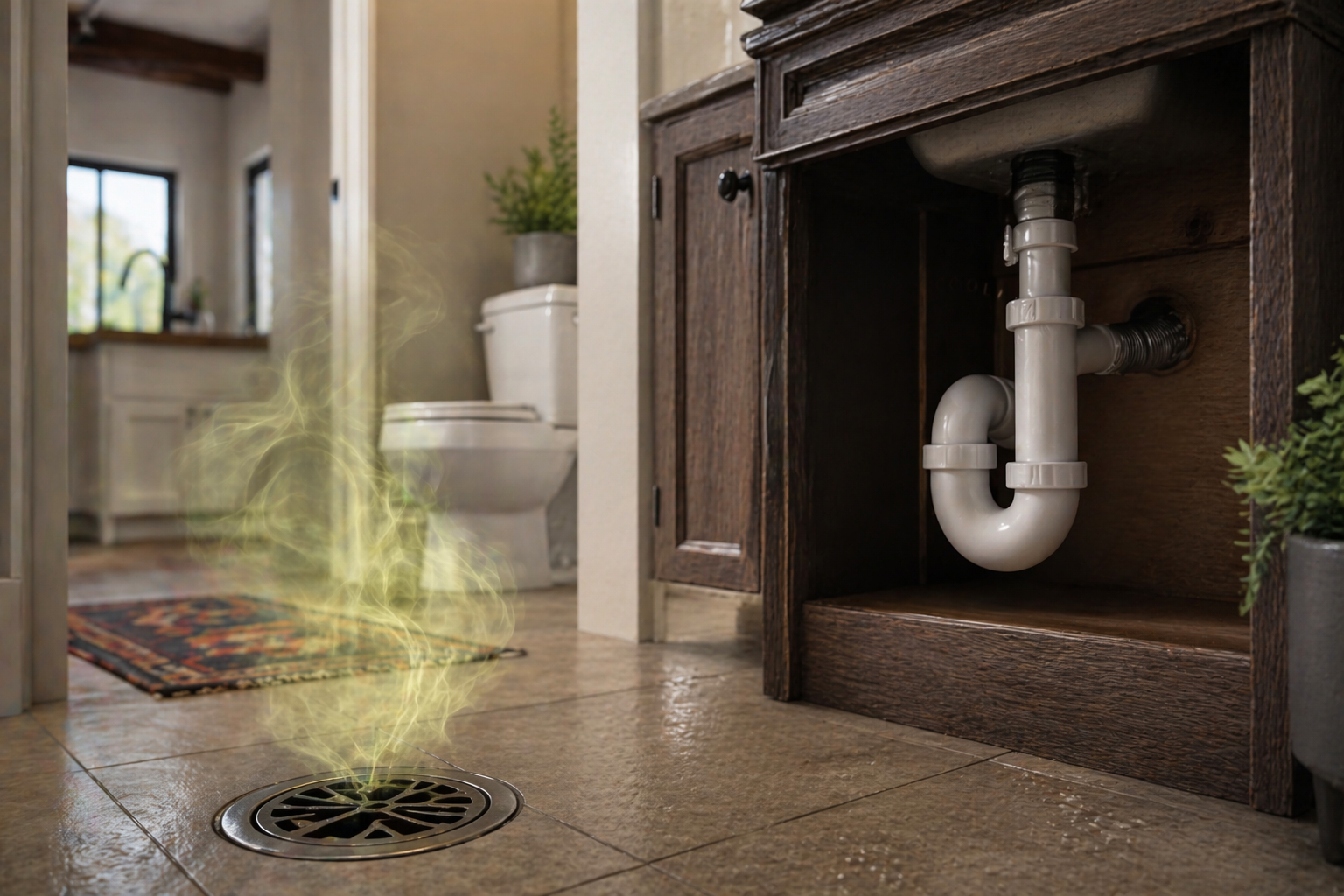
If you’ve ever walked into your kitchen or bathroom and noticed a rotten egg or sewage-like odor, you know how unpleasant—and worrying—it can be. A sewer gas smell in Santa Fe homes isn’t just a nuisance; it’s often a sign that something in your plumbing system isn’t working the way it should.
In Santa Fe’s high-desert environment, factors like dry air, temperature swings, older plumbing, and hard water can all contribute to drain odors and sewer gas issues. The good news is that many causes are straightforward to diagnose—and fix—once you know what to look for.
In this guide, we’ll break down:
- What sewer gas is and why it smells
- The most common causes of sewer gas smell in Santa Fe
- DIY checks you can safely perform
- When you need professional sewer line repair in Santa Fe
- Proven solutions to eliminate odors for good
Let’s get started.
What Is Sewer Gas (and Why Does It Smell So Bad)?
“Sewer gas” is a mix of gases produced by decomposing waste inside your home’s drain and sewer system. It can include:
- Hydrogen sulfide (the “rotten egg” smell)
- Methane
- Ammonia
- Carbon dioxide
At low levels, it’s mostly an odor problem. At higher concentrations, it can be unhealthy or even hazardous, especially in enclosed spaces.
Your plumbing system is designed to keep sewer gas out of your home using water seals, vents, and properly functioning pipes. When something fails, those gases can escape—leading to the smells you’re noticing.
Why Sewer Gas Smell in Santa Fe Is So Common
Homes in Santa Fe face a unique set of conditions that can make sewer gas smells more likely:
- Low humidity: Water in traps evaporates faster
- Temperature swings: Pipes expand and contract
- Older homes: More prone to cracks or outdated venting
- Hard water: Mineral buildup affects seals and flow
- Seasonal use: Vacation homes or guest areas may sit unused
These factors increase the chances of issues like dry P-traps, cracked pipes, or blocked vents, all of which can allow sewer gases into your home.
1. Dry P-Traps (Most Common Cause of Sewer Gas Smell in Santa Fe)
What’s happening:
Every sink, shower, and floor drain has a P-trap—that curved section of pipe that holds a small amount of water. This water acts as a barrier, preventing sewer gas from entering your home.
In Santa Fe’s dry climate, that water can evaporate quickly, especially in:
- Guest bathrooms
- Floor drains
- Laundry rooms
- Vacant or seasonal properties
Signs:
- Smell comes from a specific drain
- Strong odor after not using a fixture for days/weeks
Fix:
- Run water down the drain for 30–60 seconds
- For rarely used drains, add a small amount of mineral oil to slow evaporation
2. Clogged or Blocked Vent Pipes
What’s happening:
Your plumbing system uses vent pipes (usually on the roof) to allow sewer gases to escape safely outside. If these vents are blocked, gases can be forced back into your home.
Common causes in Santa Fe:
- Debris (leaves, dirt, dust)
- Bird nests
- Snow or ice in winter
- Rodent blockage
Signs:
- Gurgling drains
- Slow drainage
- Smell from multiple fixtures
- Toilets bubbling when other drains are used
Fix:
Vent cleaning often requires professional access to the roof and specialized tools.
3. Sewer Line Blockages or Main Line Backup
What’s happening:
A blockage in your main sewer line can cause waste and gas to back up into your home.
Causes:
- Tree roots (very common in older Santa Fe neighborhoods)
- Grease buildup
- Debris or foreign objects
- Collapsed or cracked pipes
Signs:
- Multiple drains smell or back up
- Toilets gurgle or overflow
- Slow drainage throughout the house
- Sewage smell strongest near lowest drains
Fix:
This is a situation where you need professional sewer line repair in Santa Fe immediately. Solutions may include:
- Drain snaking
- Hydro jetting
- Video camera inspection
- Pipe repair or replacement
4. Cracked or Damaged Sewer Pipes
What’s happening:
Over time, pipes can crack due to:
- Soil shifting
- Freeze-thaw cycles
- Corrosion
- Age
Even a small crack can allow sewer gas to escape into your home or crawlspace.
Signs:
- Persistent smell with no obvious source
- Smell worse near floors or walls
- Foundation or yard smells
- Increased pest activity
Fix:
A sewer inspection using a camera is the best way to confirm this. Repairs may involve patching, lining, or replacing sections of pipe.
5. Loose or Damaged Toilet Seals
What’s happening:
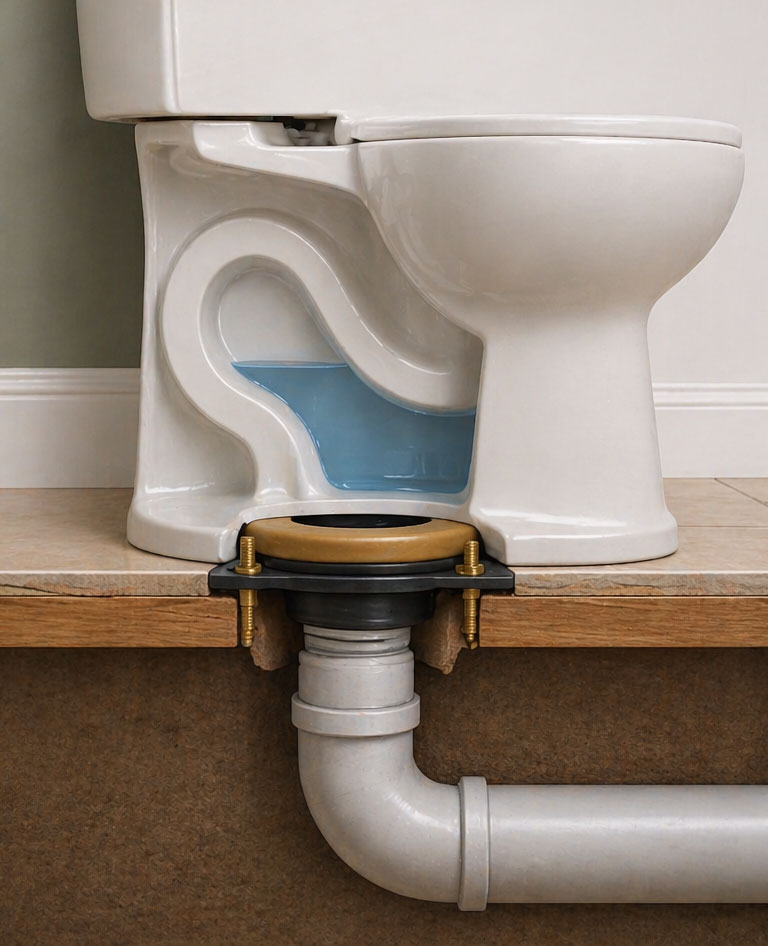
The base of your toilet is sealed to the floor with a wax ring. If that seal fails, sewer gas can leak into your bathroom.
Signs:
- Smell strongest near the toilet base
- Slight rocking of the toilet
- Occasional moisture around the base
Fix:
Replacing the wax ring is usually straightforward but should be done properly to avoid leaks or recurring issues.
6. Buildup Inside Drains (Organic Material)
What’s happening:
Grease, soap, hair, and food particles can build up inside your pipes and start to decompose—creating foul odors.
Signs:
- Smell comes directly from sink or shower
- Slow draining
- No signs of major blockage
Fix:
- Flush with hot water
- Use baking soda + vinegar
- Schedule professional drain cleaning for deep buildup
7. Water Heater Issues Causing Odor
Sometimes the smell isn’t your sewer line—it’s your water heater.
What’s happening:
Bacteria reacting with the anode rod can create a sulfur smell.
Signs:
- Smell only from hot water
- Cold water smells fine
Fix:
- Flush the water heater
- Replace the anode rod
- Professional inspection recommended
When Sewer Gas Smell Becomes a Health Concern
While most cases are mild, prolonged exposure to sewer gas can cause:
- Headaches
- Nausea
- Fatigue
- Irritated eyes or throat
If the smell is strong or persistent, don’t ignore it. It’s best to address it quickly.
DIY vs Professional Sewer Line Repair in Santa Fe
DIY is okay for:
- Dry P-traps
- Minor drain cleaning
- Checking visible seals
Call a pro if:
- Smell affects multiple rooms
- You suspect a sewer line issue
- Drains are slow or backing up
- The smell won’t go away
- You hear gurgling or bubbling
Professional plumbers have tools like:
- Camera inspections
- Hydro jetting systems
- Leak detection equipment
How to Prevent Sewer Gas Smell in Santa Fe Homes
Here’s how to keep your home smelling clean year-round:
- Run water in unused drains regularly
- Schedule annual plumbing inspections
- Clean drains monthly
- Avoid pouring grease down sinks
- Install drain covers
- Address slow drains early
- Maintain your sewer line
Why Choose Salazar Heating, Cooling & Plumbing?
At Salazar Heating, Cooling & Plumbing, we specialize in diagnosing and fixing sewer gas smell issues in Santa Fe homes quickly and correctly.
We offer:
- Sewer line inspections
- Drain cleaning & hydro jetting
- Leak detection
- Toilet repairs
- Full sewer line repair services
We understand the unique challenges of Santa Fe plumbing systems—and we fix problems the right way the first time.
Call Now for Sewer Line Repair in Santa Fe
If you’re dealing with a sewer gas smell in Santa Fe, don’t wait for it to get worse. The sooner you address the issue, the easier (and cheaper) it is to fix.
📞 Call Salazar Heating, Cooling & Plumbing at (505) 820-2007 today to schedule an inspection or service.
Serving Santa Fe, Albuquerque, and surrounding New Mexico communities with fast, reliable, expert plumbing solutions.